
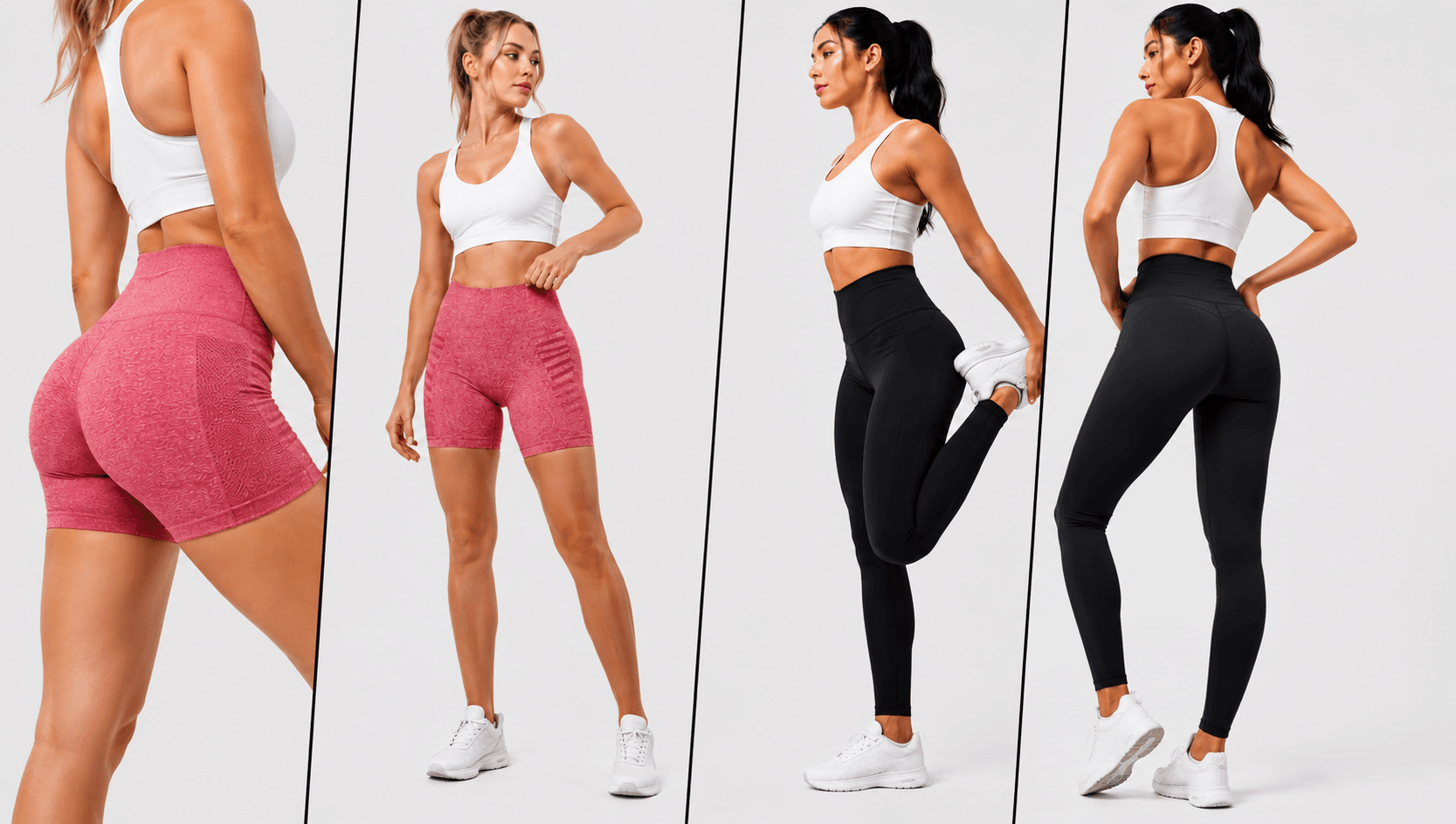
Workout Shorts vs Leggings: compare comfort, performance, breathability, and support to find the best option for summer workouts.
Workout Shorts vs Leggings: What’s Better for Summer Training?
As temperatures climb, the clothing you wear during workouts can significantly affect your comfort and performance. One of the most common fitness apparel debates is Workout Shorts vs Leggings. Both options are designed for movement, moisture management, and athletic performance, but they perform differently in hot weather.
The right choice depends on several factors, including your workout style, comfort preferences, training environment, and personal goals. While some athletes prefer the freedom and airflow of shorts, others appreciate the support and coverage leggings provide.
In this guide, we’ll compare workout shorts and leggings for summer training, examine their pros and cons, and help you determine which option is best for your workouts.
Why Summer Workout Clothing Matters
During exercise, your body generates heat and relies on sweating to regulate temperature. Clothing plays an important role in this cooling process.
According to the American Council on Exercise (ACE), exercising in hot and humid conditions increases thermal stress on the body, making breathable and moisture-wicking clothing especially important for comfort and safety.
The best summer workout apparel should provide:
- Effective moisture management
- Good airflow and ventilation
- Comfortable range of motion
- Minimal irritation or chafing
- Support for your activity level
Both shorts and leggings can meet these requirements, but each does so differently.
Workout Shorts vs Leggings: Quick Comparison
| Feature | Workout Shorts | Leggings |
|---|---|---|
| Breathability | Excellent | Moderate |
| Heat Management | Excellent | Good |
| Coverage | Limited | Full |
| Muscle Support | Minimal | Better |
| Freedom of Movement | Excellent | Excellent |
| Chafing Protection | Moderate | Excellent |
| Outdoor Running | Very Good | Good |
| Strength Training | Good | Excellent |
| Hot Weather Comfort | Excellent | Good |
Benefits of Workout Shorts for Summer Training
Superior Breathability
The biggest advantage of workout shorts is airflow. With less fabric covering the body, heat escapes more easily, helping you stay cooler during intense sessions.
This makes shorts particularly appealing during:
- Outdoor runs
- HIIT workouts
- Cycling sessions
- Bootcamp classes
- Summer sports training
Lightweight Feel
Many athletes enjoy the unrestricted feeling shorts provide. Modern performance shorts are designed with lightweight fabrics that move naturally with the body.
For people who dislike feeling restricted by clothing, shorts often feel more comfortable during longer workouts.
Better Heat Management
Less fabric generally means less heat retention. When temperatures rise above normal training conditions, shorts can help reduce discomfort and overheating.
This is especially important for outdoor exercise during summer afternoons when temperatures are highest.
Potential Drawbacks of Shorts
Workout shorts are not perfect for every situation.
Common drawbacks include:
- Less muscle support
- Increased risk of thigh chafing
- Limited coverage
- Potential riding up during movement
Athletes with larger thighs or those training for long distances may find these issues more noticeable.
Benefits of Leggings for Summer Training
Muscle Support and Compression
Many leggings offer mild to moderate compression, which provides a supportive feel during exercise.
While research continues regarding performance benefits, many athletes report feeling more stable and comfortable when wearing compression-based workout apparel.
Leggings are particularly popular for:
- Strength training
- Yoga
- Pilates
- Functional fitness
- Mobility work
Reduced Chafing
One major advantage of leggings is protection against skin friction.
Long-distance runners and individuals who experience inner-thigh rubbing often prefer leggings because they minimize irritation during repetitive movements.
Greater Coverage and Confidence
Some people simply feel more comfortable with additional coverage. Leggings provide a secure fit that stays in place throughout workouts.
This can be beneficial when performing exercises such as:
- Squats
- Lunges
- Deadlifts
- Stretching routines
- Floor-based workouts
UV Protection
For outdoor training, leggings provide more protection from direct sunlight.
This added coverage may be helpful during long runs, hikes, or outdoor fitness sessions where sun exposure becomes a concern.
Potential Drawbacks of Leggings
Despite their advantages, leggings may not always be ideal for summer.
Potential disadvantages include:
- Less airflow than shorts
- Increased heat retention
- Longer drying times
- Possible discomfort in extreme heat
However, many modern leggings are specifically engineered with lightweight, breathable fabrics that help offset these issues.
Which Option Performs Better in Hot Weather?
For most people, workout shorts vs leggings comes down to temperature management.
In very hot and humid conditions, shorts generally provide better cooling because they allow greater air circulation around the legs.
Leggings can still perform well during summer if they are made from:
- Lightweight technical fabrics
- Moisture-wicking materials
- Mesh-panel designs
- High-performance compression textiles
The fabric quality often matters more than the garment category itself.
A poorly designed pair of shorts can feel less comfortable than premium breathable leggings.
When to Choose Workout Shorts
Workout shorts are usually the better choice if you:
- Train outdoors in hot weather
- Sweat heavily
- Prioritize ventilation
- Prefer a lightweight feel
- Participate in running or cardio-focused workouts
They are particularly effective for athletes who value maximum cooling and unrestricted movement.
When to Choose Leggings
Leggings may be the better option if you:
- Prefer additional coverage
- Experience thigh chafing
- Focus on strength training
- Practice yoga or Pilates
- Want a more supportive fit
Many gym-goers choose leggings year-round because they provide consistency, support, and confidence during a wide variety of exercises.
Can You Wear Leggings in Summer?
Absolutely.
Today’s performance leggings are very different from traditional athletic tights. Many brands now produce summer-specific leggings using advanced moisture-management fabrics.
According to textile performance studies published through the National Library of Medicine, moisture-wicking synthetic fabrics can improve thermal comfort by moving sweat away from the skin more efficiently than many traditional materials.
The key is selecting leggings specifically designed for warm-weather training rather than thick, insulated options.
Practical Tips for Choosing Summer Workout Apparel
Whether you choose shorts or leggings, consider these factors:
Look for Moisture-Wicking Fabrics
Materials such as polyester blends, nylon, and elastane help pull moisture away from the skin.
Prioritize Fit
Clothing should stay in place without restricting movement.
Check Breathability Features
Mesh panels and ventilation zones can significantly improve airflow.
Match Clothing to Activity
Different workouts create different demands. Running may favor shorts, while strength training often favors leggings.
Consider Personal Comfort
Performance matters, but confidence and comfort matter too. The best choice is often the one you’ll consistently enjoy wearing.
Final Verdict: Workout Shorts vs Leggings
There is no universal winner in the Workout Shorts vs Leggings debate. Both options offer unique advantages depending on your training style and personal preferences.
For maximum airflow, cooling, and comfort during outdoor summer workouts, shorts generally have the edge. For support, coverage, and chafing prevention, leggings remain an excellent choice—even in warmer conditions when designed with breathable fabrics.
Ultimately, the best summer workout apparel is the option that helps you stay comfortable, move confidently, and perform at your best. Many athletes keep both in their wardrobe and choose based on the workout, weather, and personal preference.